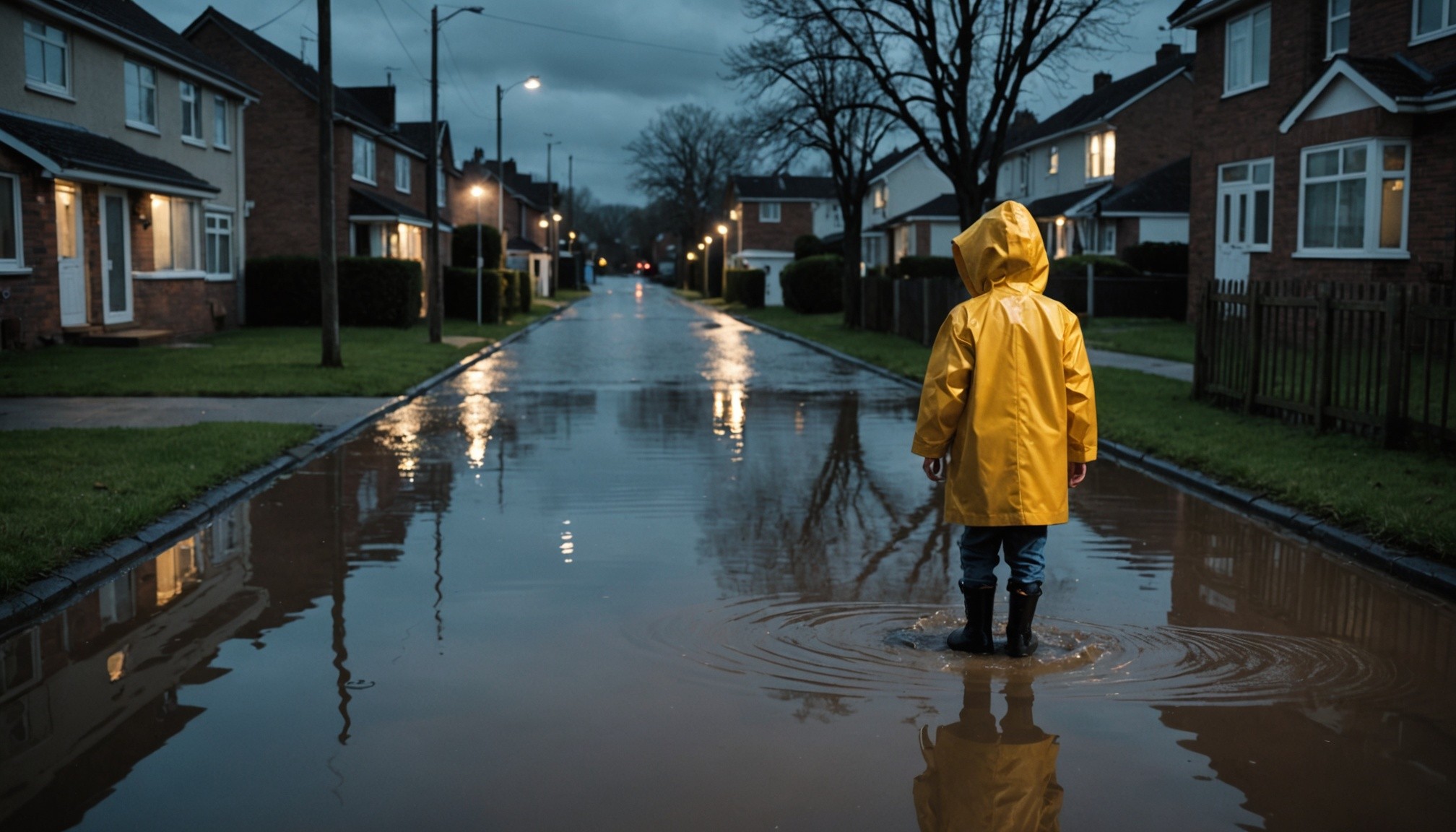
Over Thanksgiving 2024, a powerful storm system brought extreme weather to large parts of the United States, particularly affecting coastal areas. Hundreds of thousands of residents lost power due to heavy rains, damaging winds, and unusually high king tides. The severe conditions also significantly disrupted air, rail, and road travel just as millions were preparing to celebrate the holiday.
Impact on infrastructure and power supply
The storm caused widespread power outages, primarily across the northeastern and Pacific coastal regions. According to Yahoo News, utility companies reported over 500,000 customers without electricity at the peak of the storm. Downed power lines, flooded substations, and damaged transformers were common, particularly in low-lying areas exposed to king tides. Restoration efforts were slowed by persistent rainfall and unsafe working conditions, with some areas expecting delays of up to 72 hours.
Power infrastructure in older urban centres appeared especially vulnerable. In cities like Boston and San Francisco, century-old electrical grids struggled to cope with the combination of saltwater exposure and intense rainfall. Meanwhile, suburban and rural areas faced prolonged outages due to limited redundancy in local networks. The scale of disruption highlights ongoing risks to critical infrastructure from increasingly frequent extreme weather events.
Travel chaos during peak holiday period
Thanksgiving is traditionally the busiest travel period in the US, and the timing of the storm amplified its impact. Major airports, including Newark Liberty, San Francisco International, and Seattle-Tacoma, reported hundreds of flight cancellations and delays. The Federal Aviation Administration confirmed air traffic slowdowns due to poor visibility, high crosswinds, and ground flooding.
Road travel was equally affected. Interstate highways in New Jersey and Oregon saw temporary closures due to flooding. Amtrak suspended several Northeast Corridor and Pacific Northwest routes. Holiday passengers faced long waits, rebooking complications, and limited shelter options at transit hubs. The disruption reportedly affected an estimated 70 million travellers, many of whom had limited flexibility in rescheduling due to family commitments or limited paid leave.
Regional implications and preparedness
While the immediate effects were concentrated in the US, the event has broader relevance for infrastructure planning in climate-vulnerable regions, including the UAE and Kazakhstan. In the UAE, where extreme heat dominates risk assessments, coastal urban centres like Dubai may underestimate flood risks from rising sea levels and storm surges. Similarly, Kazakhstan’s growing cities, such as Almaty and Nur-Sultan, face increasing weather volatility, though winter storms, not king tides, are the primary concern.
UK businesses with US operations or supply chains may have experienced indirect delays, particularly in logistics and retail sectors preparing for Black Friday. The event underscores the importance of building resilience into supply and communication networks, especially during high-dependency periods. Companies relying on real-time data, cloud services, or time-sensitive deliveries should assess exposure to weather-related outages in critical hubs.
What it means
This storm was not an isolated incident but part of a pattern of intensifying seasonal extremes. For business leaders, the key takeaway is the growing operational risk posed by climate-exposed infrastructure. Dependence on tightly scheduled logistics, just-in-time delivery, or single-region data centres increases vulnerability. The cost of downtime—measured in lost revenue, customer trust, and recovery effort—can outweigh the savings from lean operations.
Organisations should audit their exposure to weather-sensitive nodes: are backup systems located in geographically diverse, climate-resilient zones? Can teams operate remotely if travel is disrupted? Are communication channels independent of local power grids? These are not hypotheticals but practical questions for firms operating across the US, UK, UAE, or Kazakhstan.
The official response from US authorities focused on emergency coordination and utility support. The National Weather Service issued multiple flood and wind advisories, while state governors declared emergency declarations to unlock federal aid. No major casualties were reported, but the economic cost of disruptions—particularly in retail and transport—is still being assessed.
