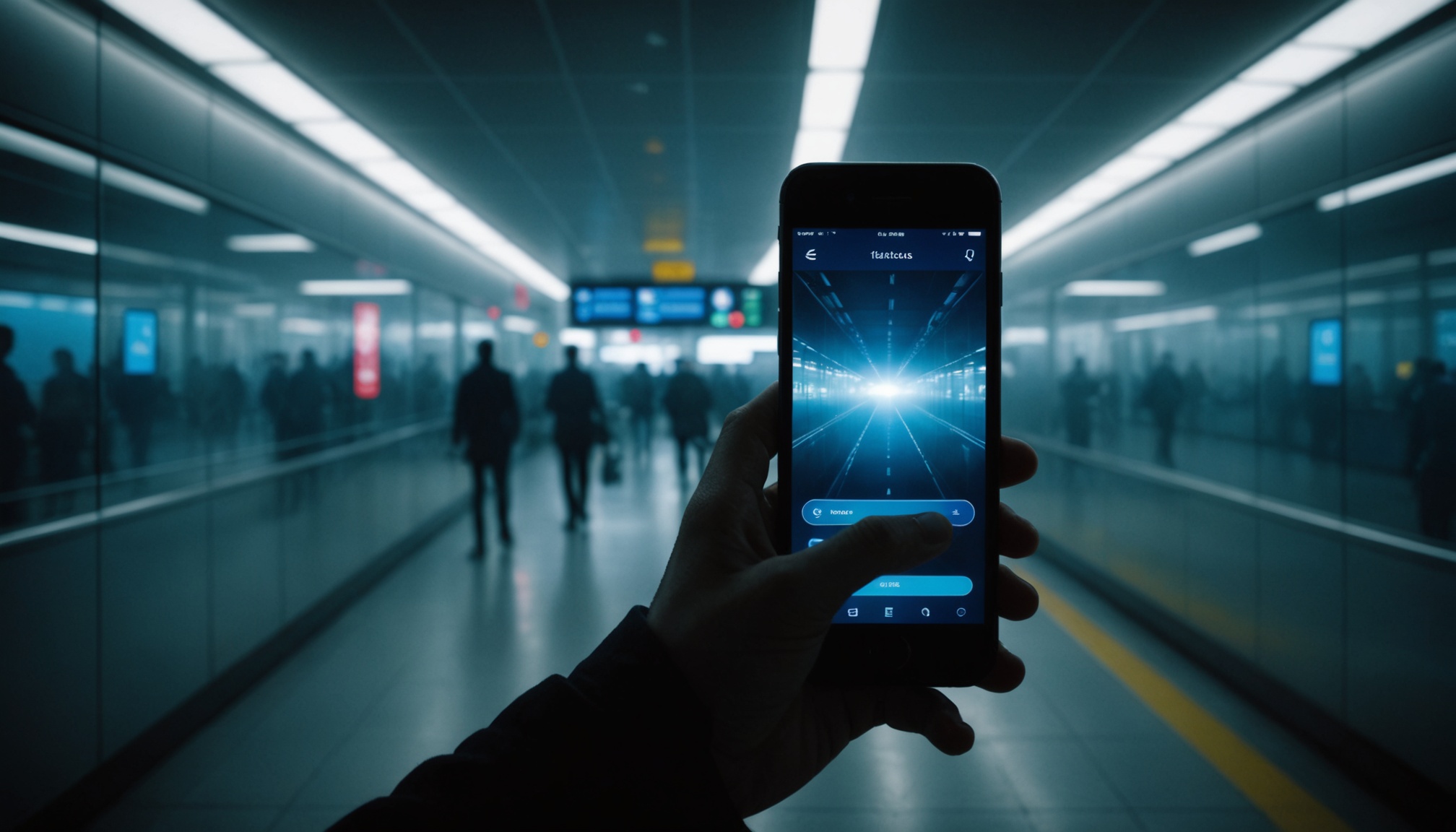
United Airlines has moved to block personal AI assistants from booking or modifying flights on behalf of customers, effective 11 November 2024. The airline cites growing concerns over data privacy, unauthorised account access, and potential violations of federal aviation regulations. While some competitors are adapting to AI-driven booking tools, United is taking a firm stance to limit automated access — directly on its platforms and indirectly through travel aggregators.
What United is banning — and why
The airline explicitly prohibits unauthorised third-party AI agents — such as Meta’s Muse or OpenAI’s Dots — from interacting with customer accounts or completing bookings. United warns that sharing login credentials and payment details with AI assistants exposes sensitive data, including MileagePlus accounts, and may lead to unintended transactions. The airline also highlights regulatory risks: federal rules require passengers to personally confirm that their luggage contains no explosives or prohibited items — a legal attestation an AI cannot make.
United’s updated policy applies across its digital ecosystem, including indirect channels like online travel agencies and aggregators. The airline has updated its Digital Trust Center and may cancel reservations made via AI agents. However, bookings completed before 11 November 2024 will be honoured.
How other airlines are responding
United is not alone in reacting to AI agents, but its approach is among the strictest. Delta allows third-party agents but holds customers fully responsible for errors — such as an AI booking a nonrefundable flight to Australia instead of Austria. American Airlines monitors automated traffic and reserves the right to block suspicious or high-volume bot activity to protect user experience.
In contrast, Southwest has embraced limited AI integration by launching a ChatGPT plug-in that lets users search flights within the AI interface, though final booking must occur on Southwest’s official site. JetBlue acknowledges the trend and believes airlines should adapt, despite potential cost increases from bot-driven search volume.
Control, cost, and customer trust
Analysts suggest United’s decision is as much about business control as it is about security. Henry Harteveldt of Atmosphere Research Group notes that United may be resisting another layer of intermediation — beyond Google Flights, Kayak, or Hopper — that could erode direct customer relationships and increase distribution costs. Flight searches via bots generate operational load without guaranteed bookings, adding expense.
Yet United remains accessible through major aggregators. The difference is intent: those platforms are established partners, while personal AI agents act as unregulated proxies with full account access. United CEO Scott Kirby reportedly said, “I don’t want to create another middleman,” underscoring a strategic preference for direct engagement.
What it means for businesses and travellers
For travellers, the message is clear: relying on AI agents for bookings carries risk. Consumer advocates warn that errors made by AI — such as misreading fare rules or selecting wrong dates — are treated as customer responsibility. Unlike human travel advisers, who carry errors and omissions insurance, AI tools offer no recourse when things go wrong.
For businesses, especially in regulated sectors like aviation, United’s move sets a precedent. Companies must weigh automation benefits against data exposure, compliance, and loss of control. While United leaves the door open for future AI integration, it insists protections must come first.
Businesses in the UK, UAE, US, and Kazakhstan should assess whether third-party AI tools have access to their corporate travel accounts. Proactive policies can prevent unauthorised transactions and data leaks, especially where regulatory compliance is non-negotiable.
Travellers and companies should consider using accredited travel advisers for complex bookings — a safer alternative with accountability. As AI evolves, airlines and regulators will face increasing pressure to define clear boundaries for automated interactions.